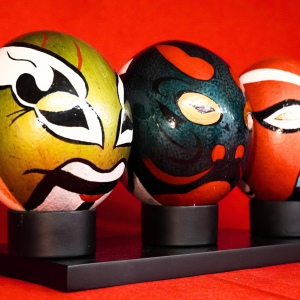
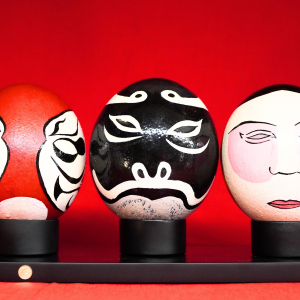
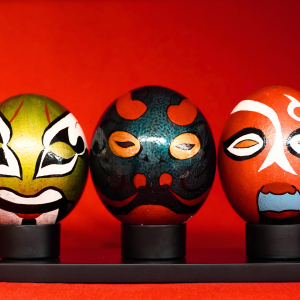
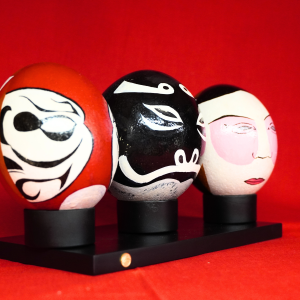

Tuồng Collection
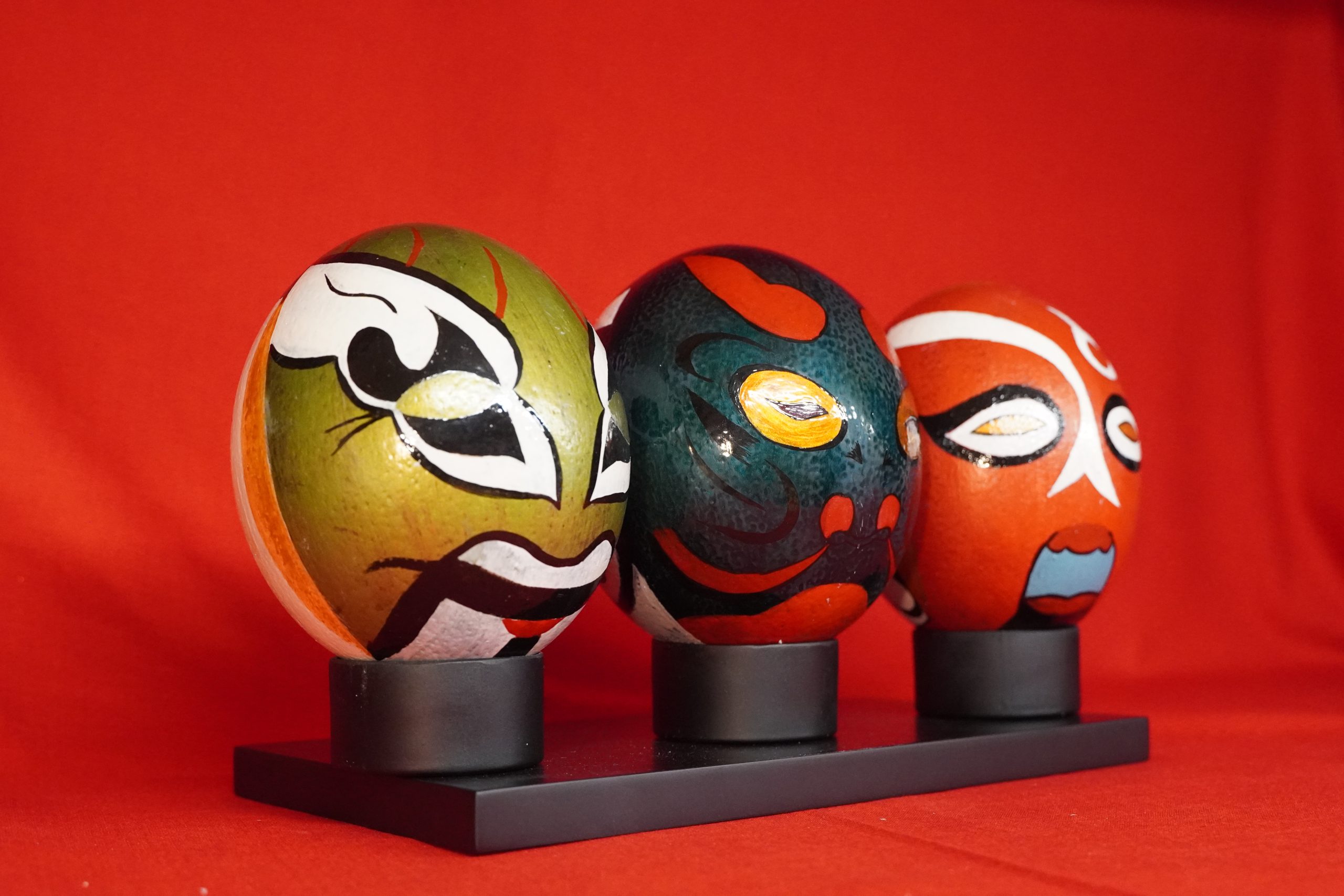
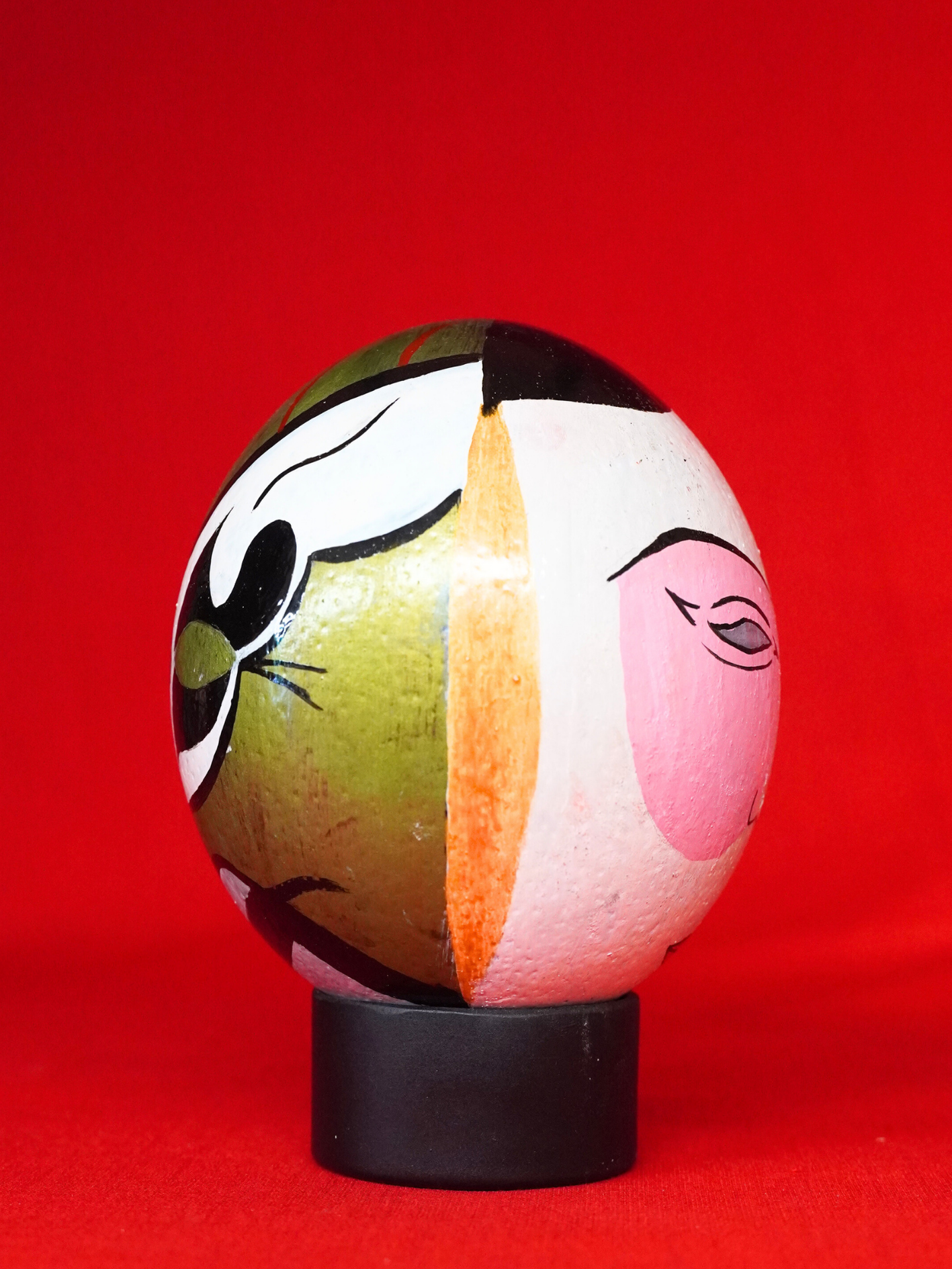
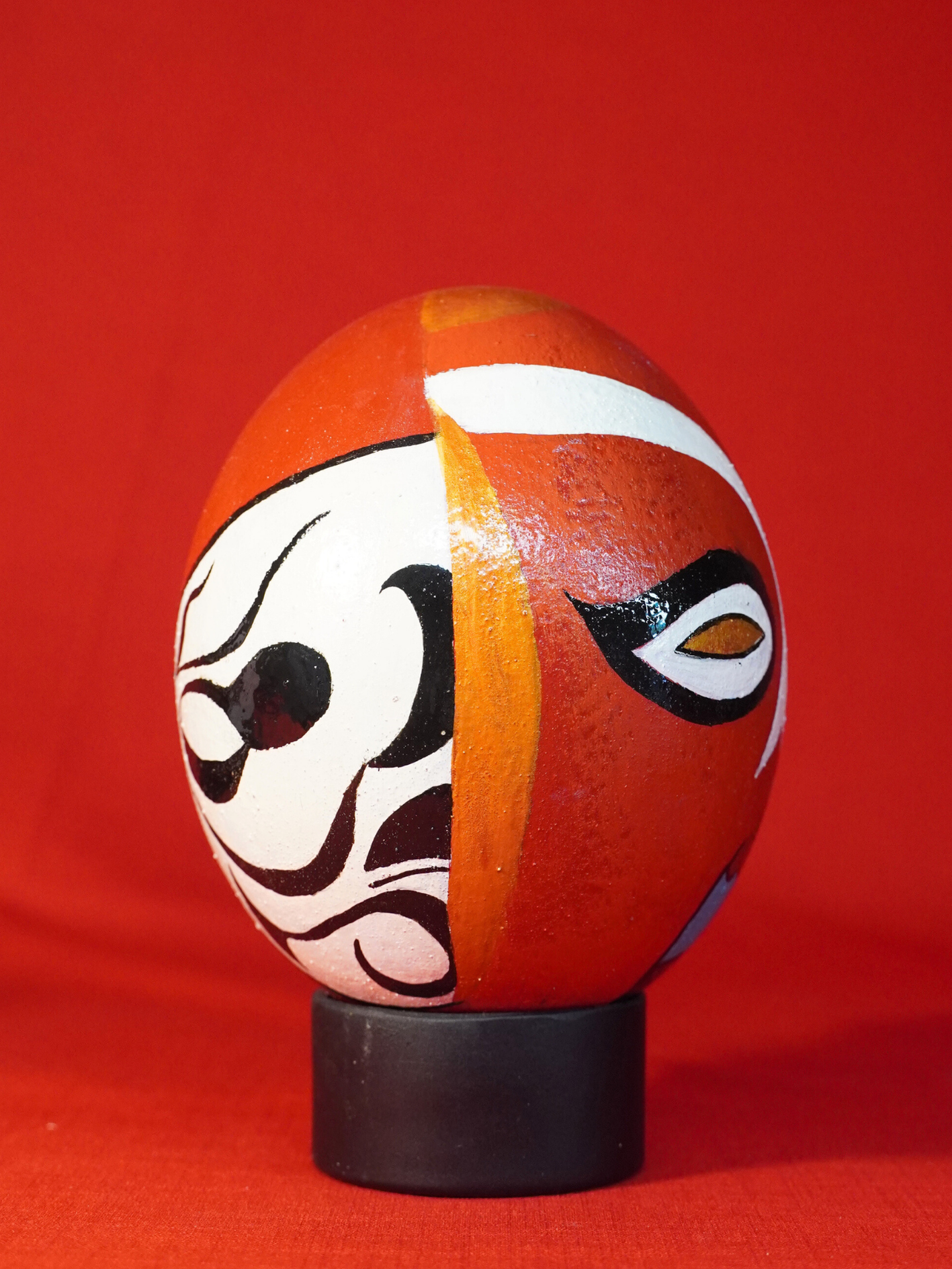
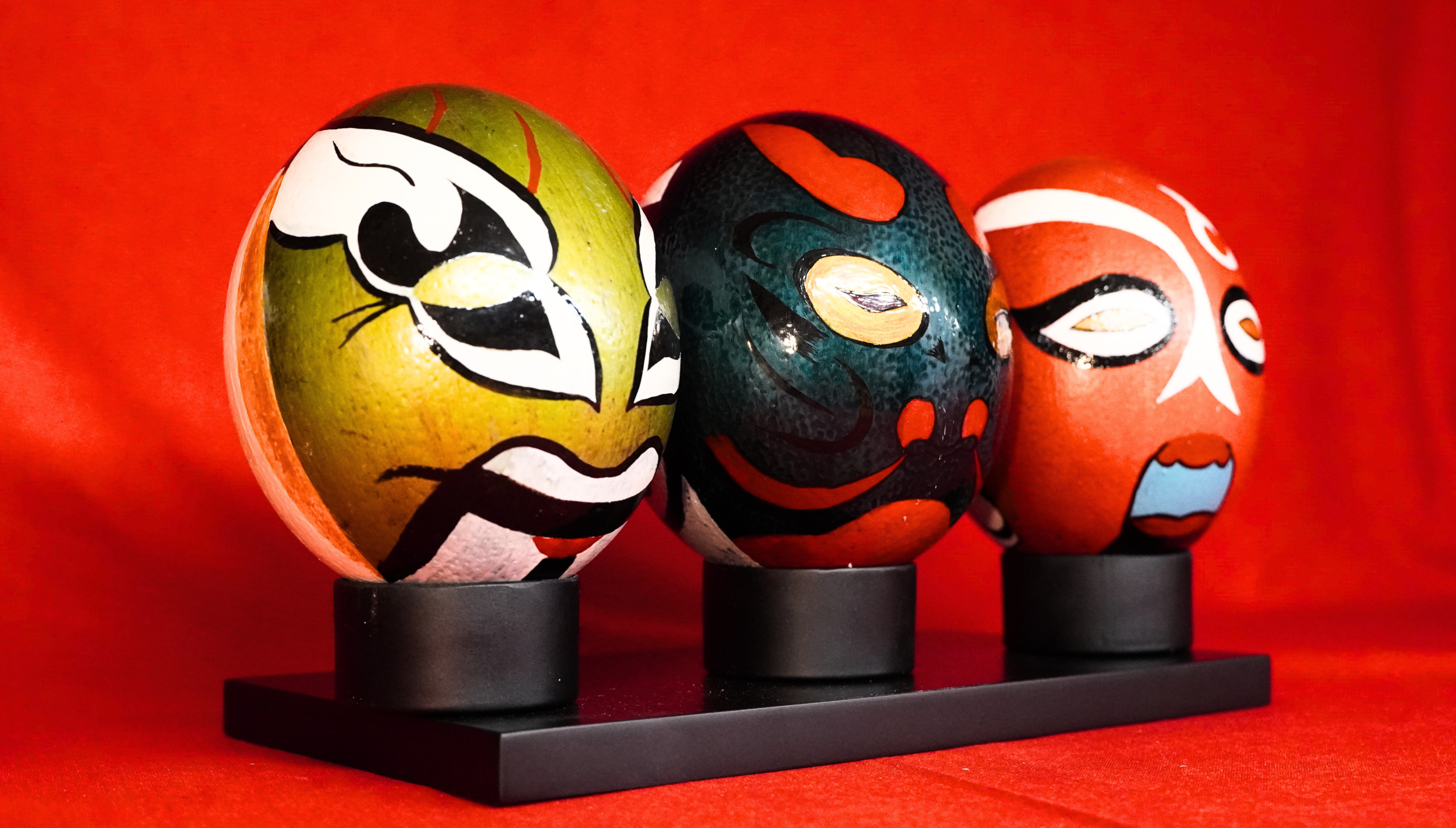
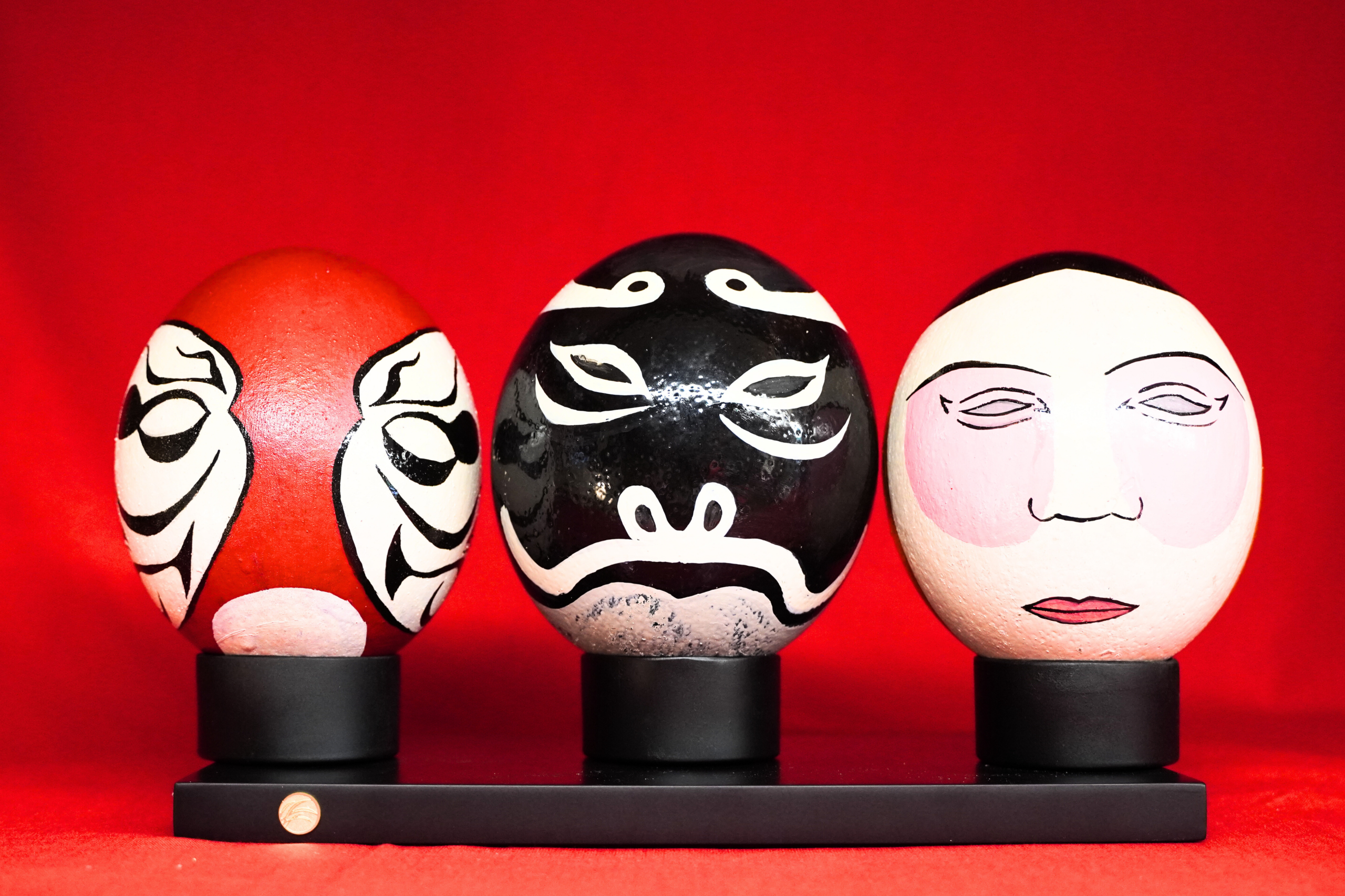
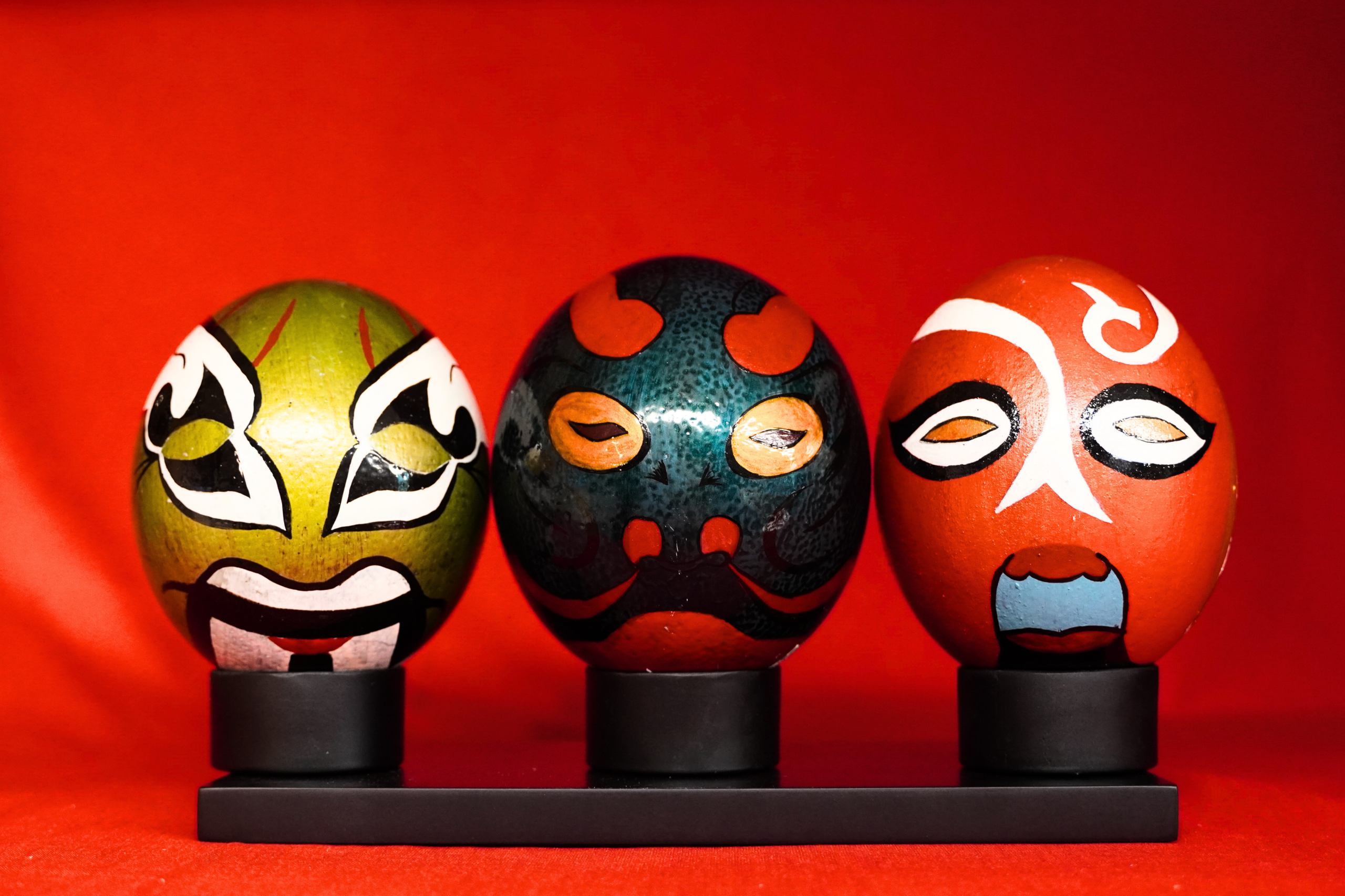
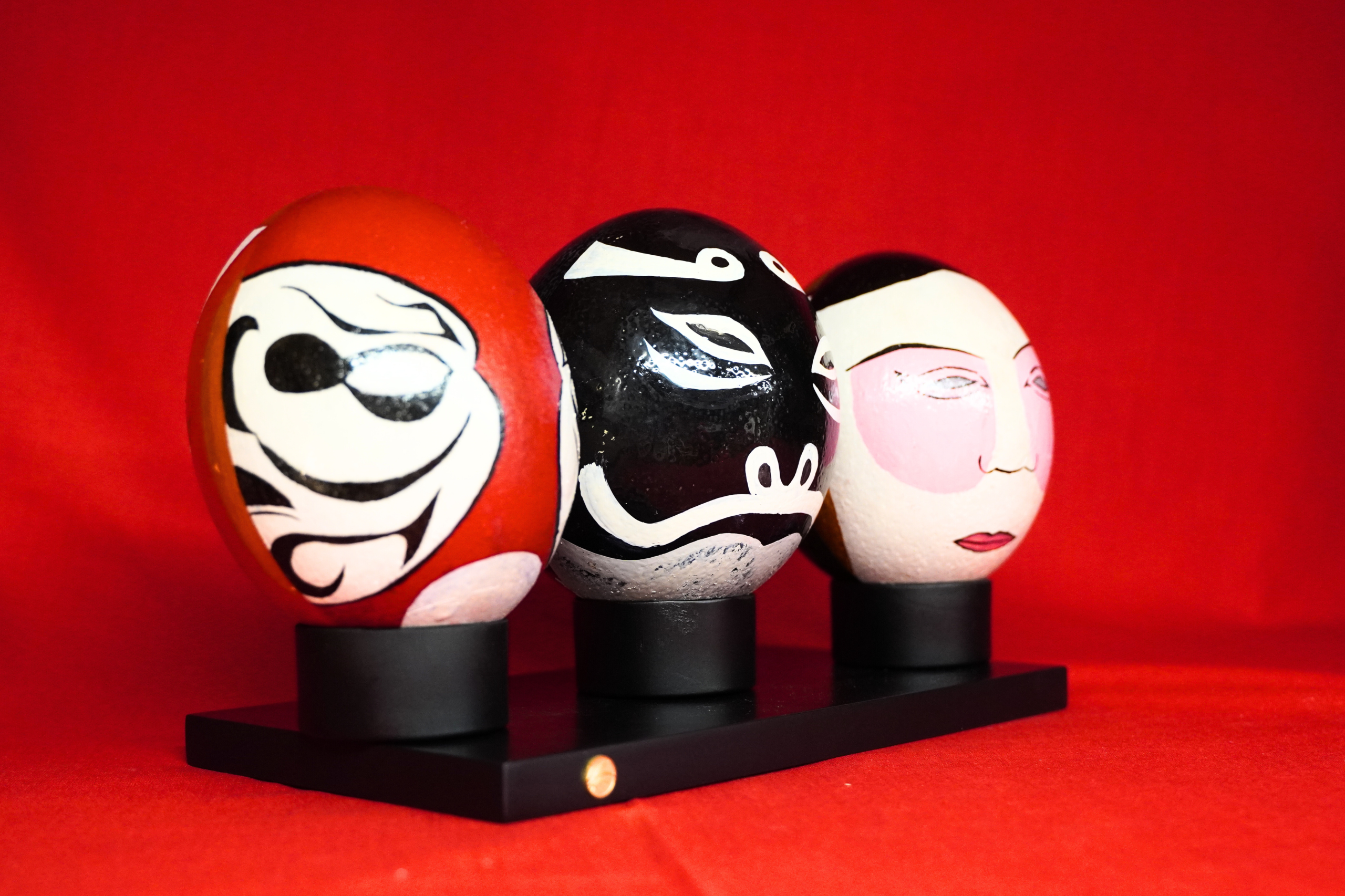
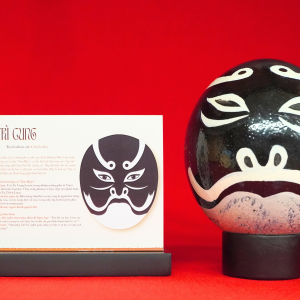
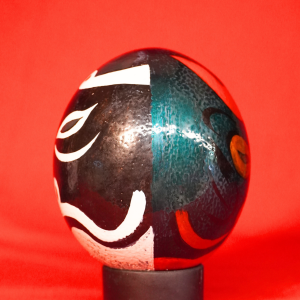
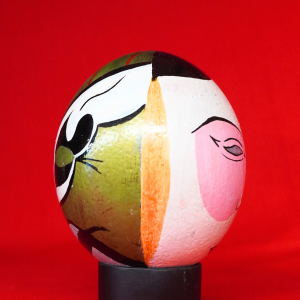
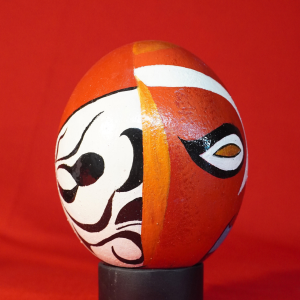
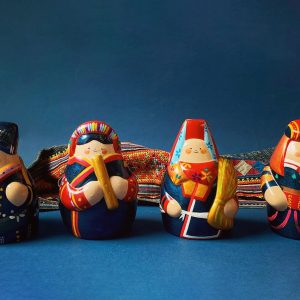
The Tuồng Collection draws inspiration from the character archetypes of Vietnamese Tuồng theatre: the kép (male lead), lão (elder), đào (female role), yêu (villain), and more. Tuồng masks were once an integral part of daily life in Southern Vietnam and gradually spread to the North as well.
Although Tuồng was initially inspired by Chinese opera (xìjù), the nature of the two art forms differs significantly. Chinese opera, often celebrated with pride as the “opera of a billion people,” requires long preparation, and its facial makeup is meticulous, elaborate, and carefully stylized.
By contrast, Tuồng in Vietnam grew out of the lives of ordinary working people. It was created to entertain laborers, and thus it carries a more rustic, straightforward character. While it shares roots with Chinese opera, Vietnamese Tuồng developed its own distinct rules for facial painting and unique principles in shaping characters, reflecting the spirit and identity of local culture.
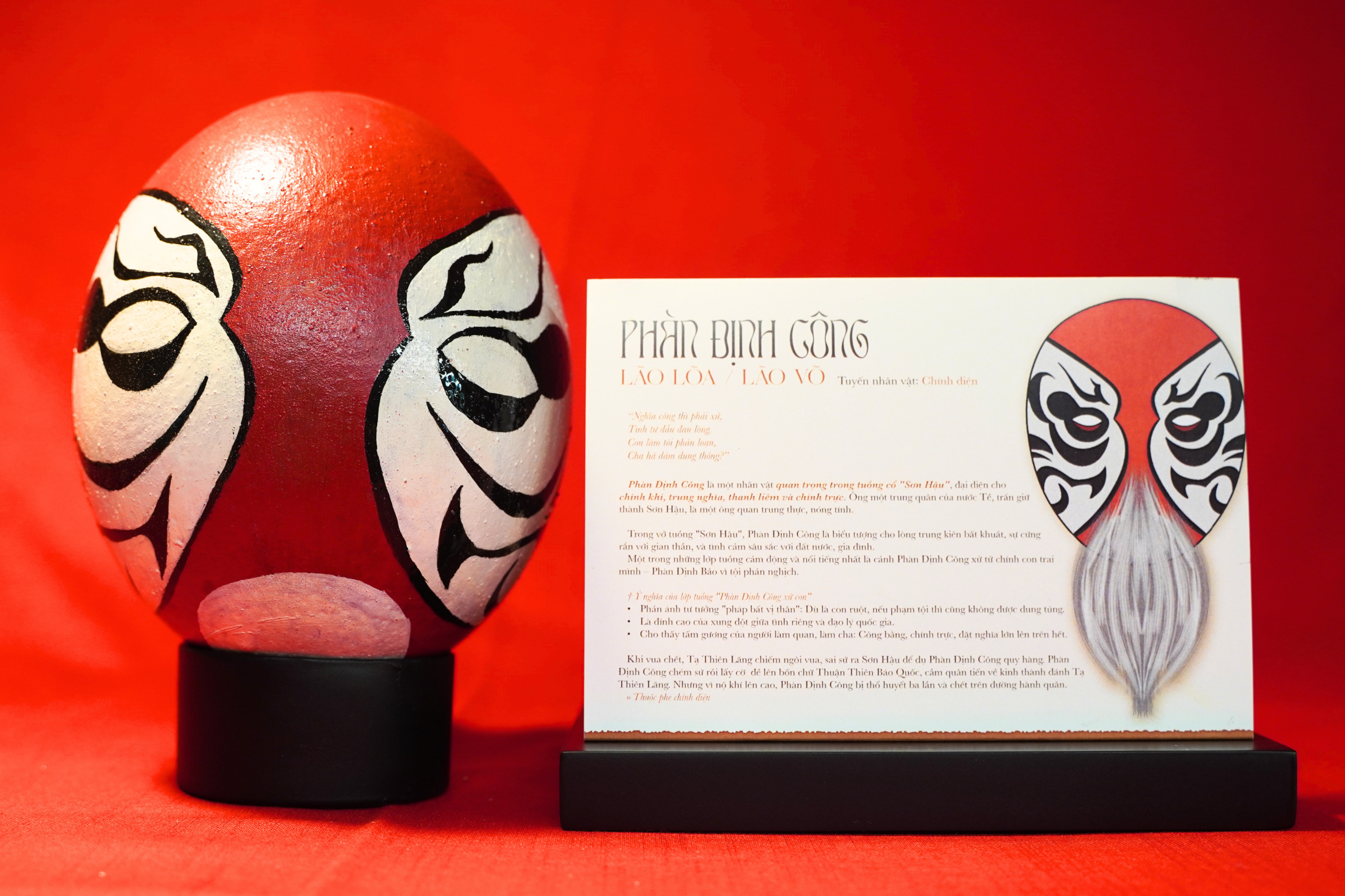
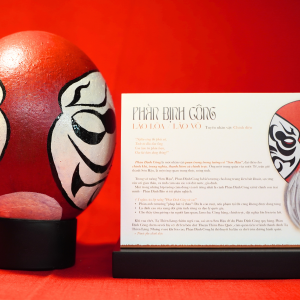
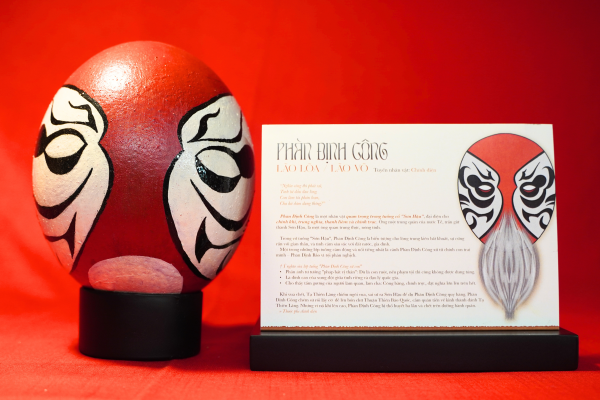
Phàn Định Công: Loyal Official (Chính diện)
Phàn Định Công was a loyal minister of the Qi kingdom, stationed at Sơn Hậu fortress. Known as an honest but hot-tempered official, he remained steadfast after the king’s death. When Tạ Thiên Lăng usurped the throne and sent envoys to persuade him to surrender, Phàn Định Công executed the envoy and raised a banner inscribed with four words: “Obey Heaven, Defend the Nation.” Leading his army toward the capital to strike down the usurper, he succumbed to his own fury, coughing blood three times and dying en route.
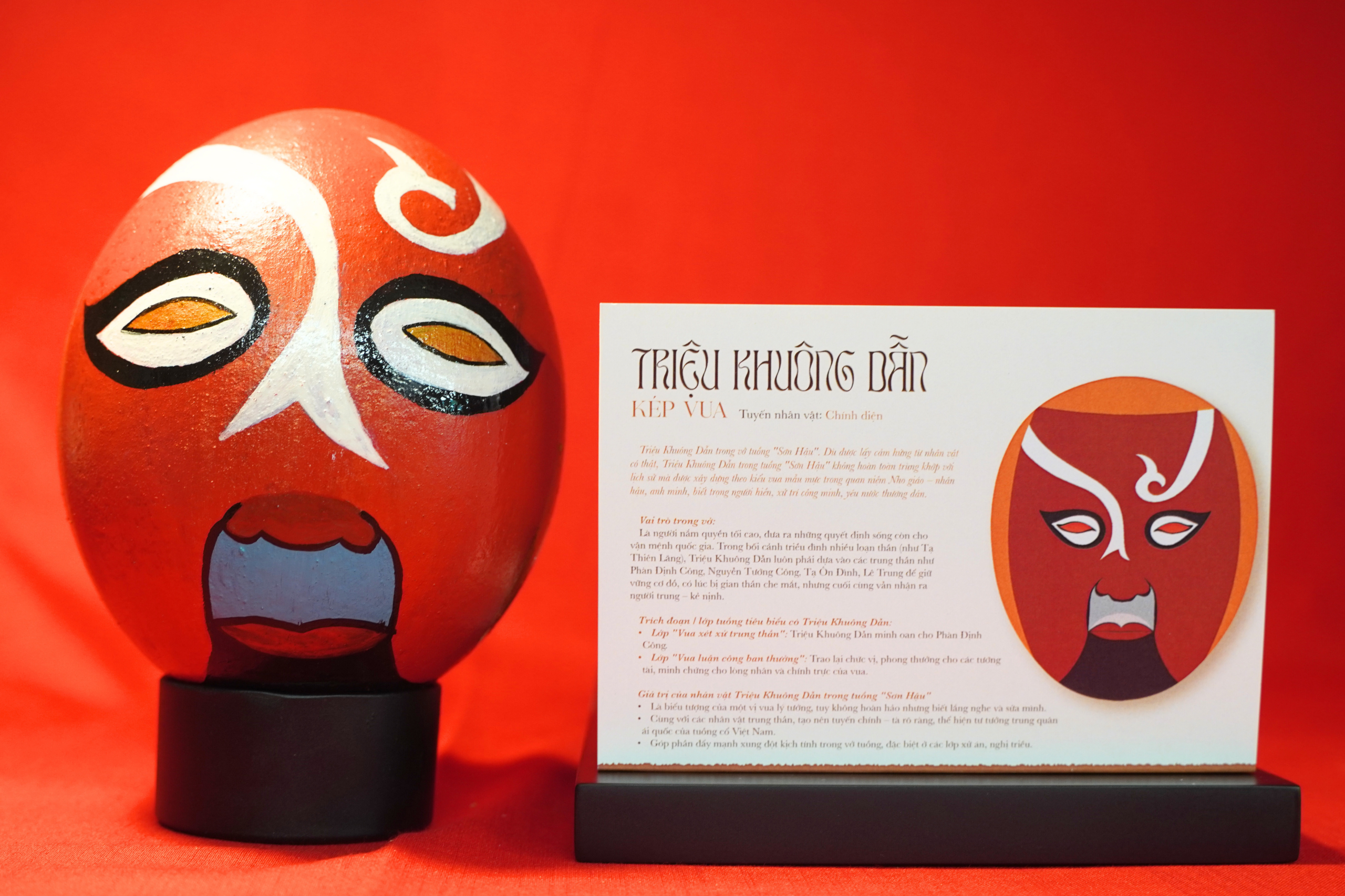
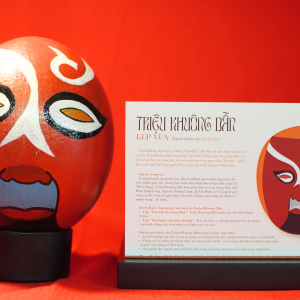
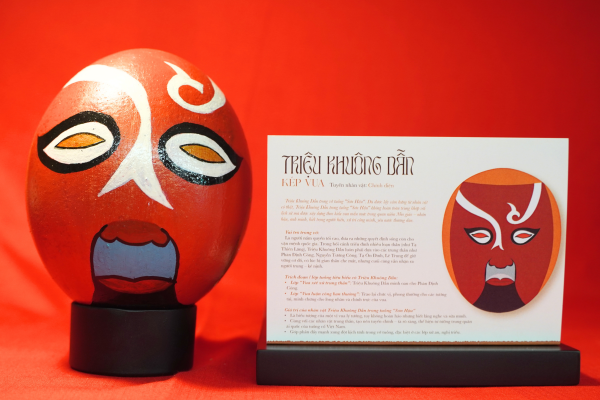
Triệu Khuông Dẫn: Royal Role (Kép Vua, chính diện)
Although inspired by a real historical figure, the character of Triệu Khuông Dẫn in the Tuồng play Sơn Hậu is not entirely aligned with history. Instead, he is portrayed as the archetypal Confucian ruler — benevolent, wise, appreciative of virtuous officials, fair in judgment, and deeply devoted to his country and people.
In a court plagued by treacherous ministers such as Tạ Thiên Lăng, Triệu Khuông Dẫn had to rely on loyal officials like Phàn Định Công, Nguyễn Tướng Công, Tạ Ôn Đình, and Lê Trung to preserve the throne. At times he was misled by deceitful courtiers, but ultimately, he discerned the loyal from the treacherous.
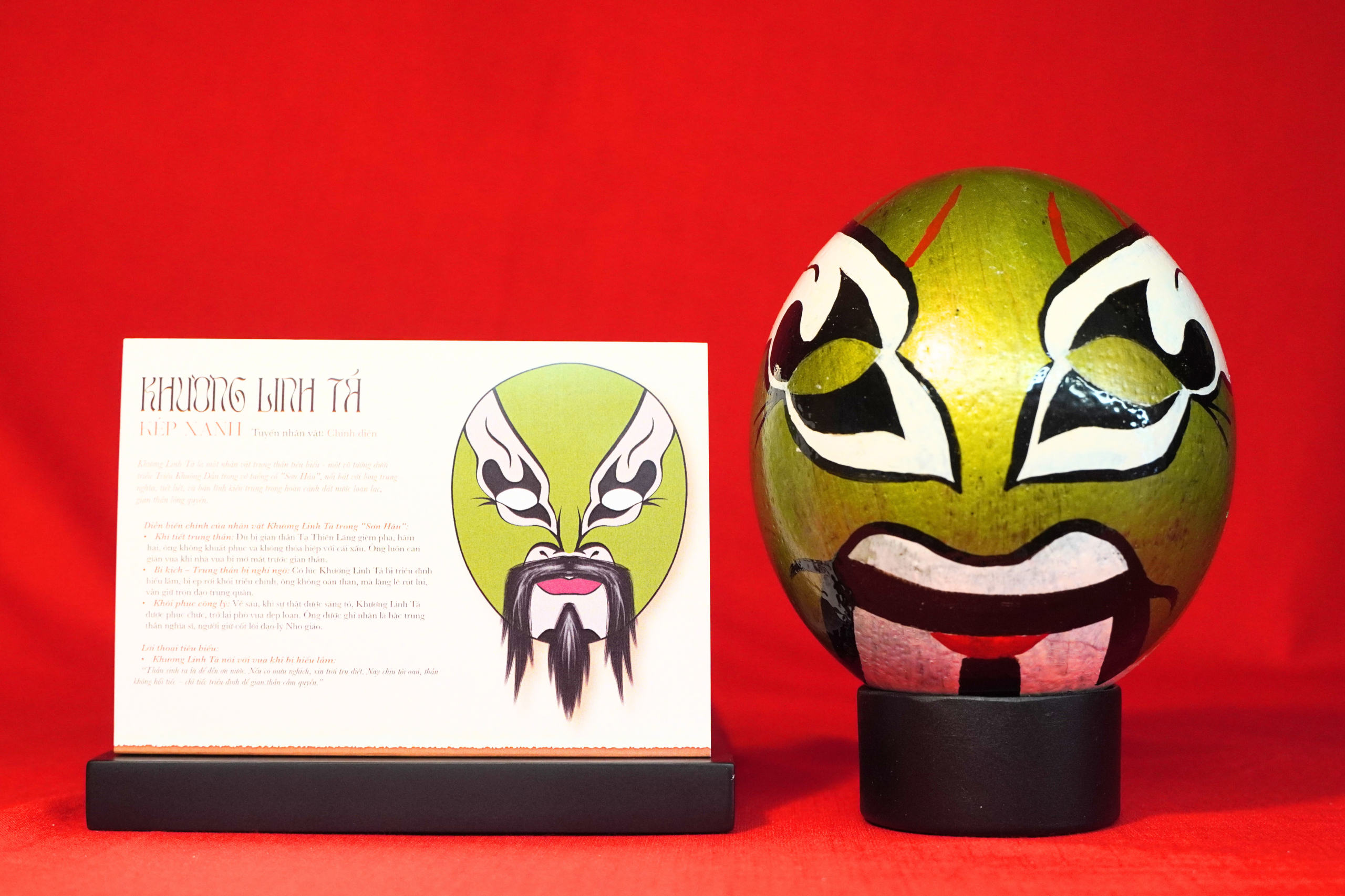
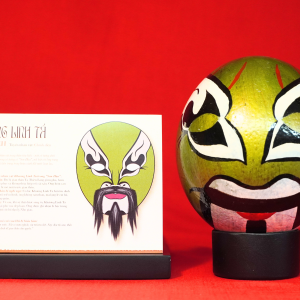
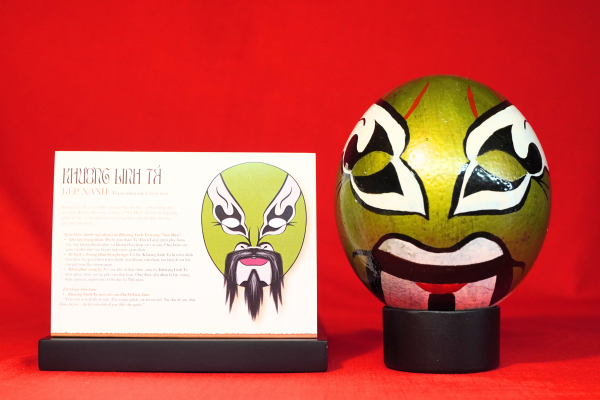
Khương Linh Tá: The Blue-faced Warrior (Kép Xanh, chính diện)
Khương Linh Tá was a general serving the Qi king. He was beheaded while escorting the young prince to Sơn Hậu in an attempt to escape the murderous pursuit of the treacherous Tạ clan. Though he held neither high office nor great fame in battle, his story earned lasting admiration. Many Tuồng plays recount his sacrifice, honoring him as a righteous, unyielding warrior who gave his life for justice.
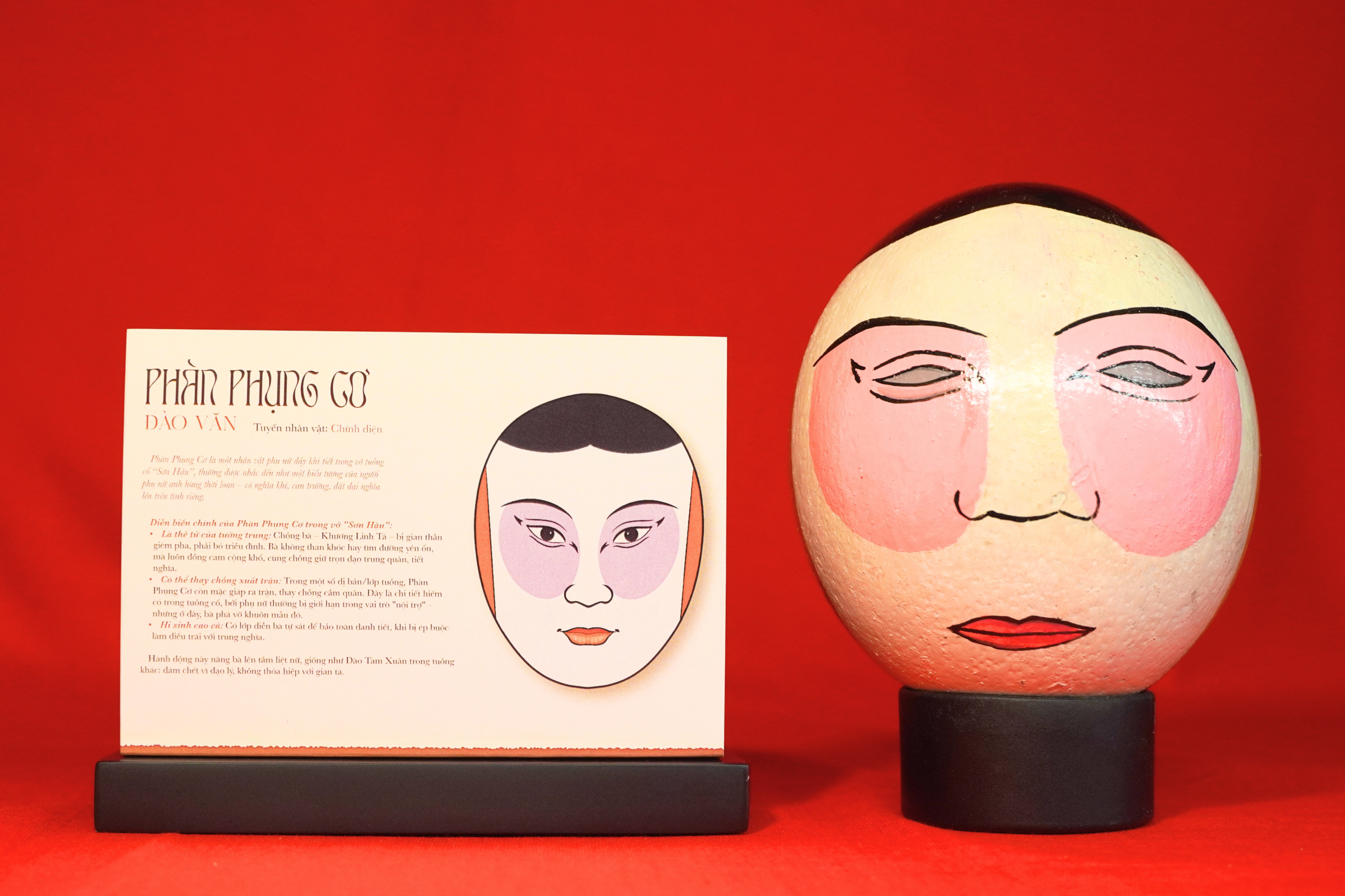
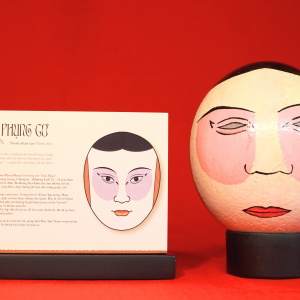
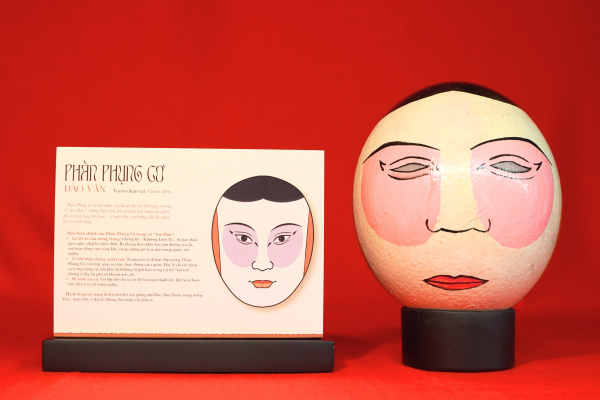
Phàn Phụng Cơ: Literary Lady (Đào Văn, chính diện)
Phàn Phụng Cơ is the daughter of Phàn Định Công, often depicted as a “đào văn” character type – gentle, filial, and steadfastly loyal. After her father’s sacrifice for a just cause, Phàn Phụng Cơ becomes a symbol of filial piety and loyalty, embodying both the integrity of her family lineage and the compassion and grace of womanhood in classical Tuồng. Her character not only enriches the righteous narrative of the play but also evokes empathy and emotional resonance among the audience.
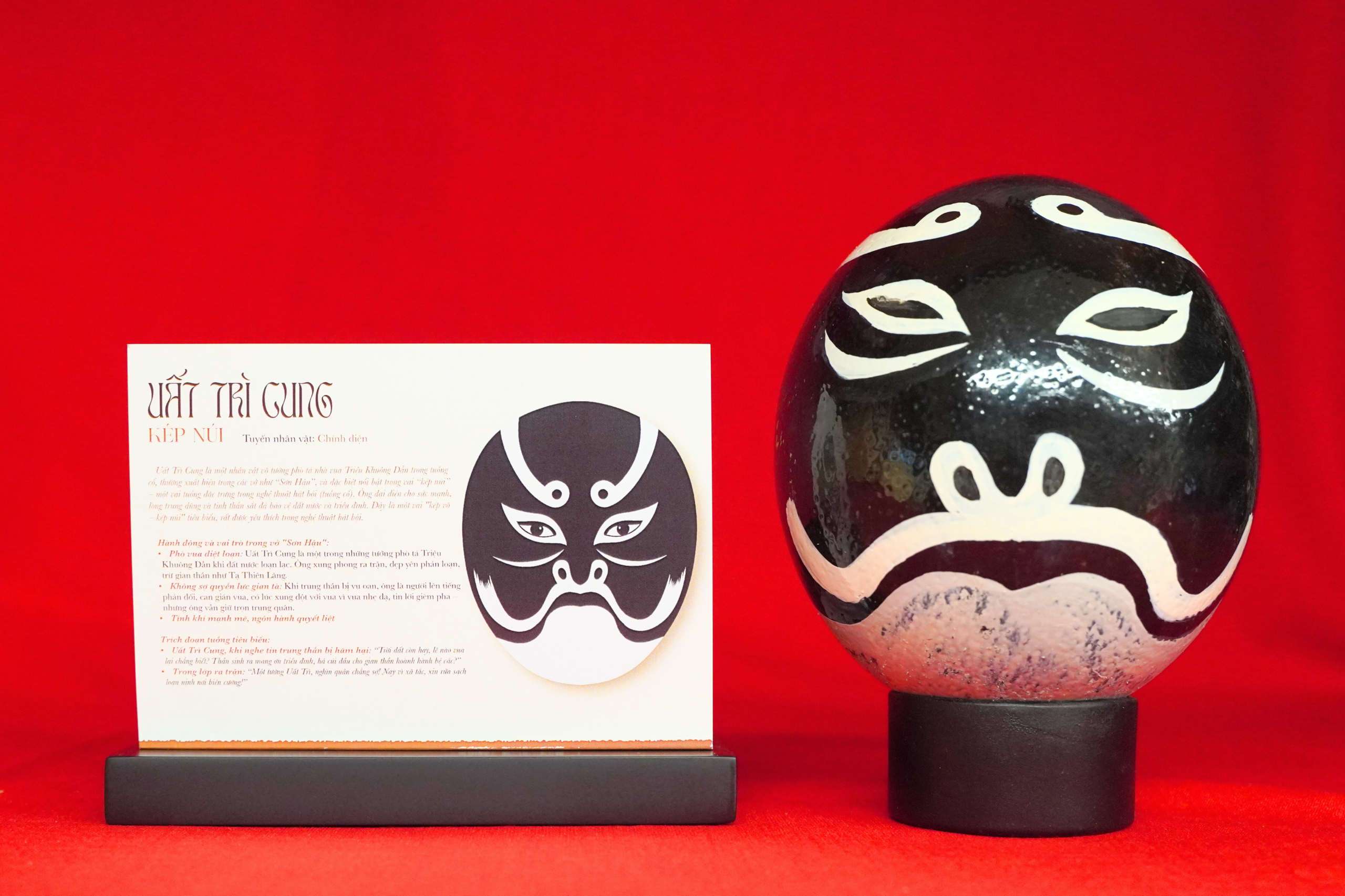
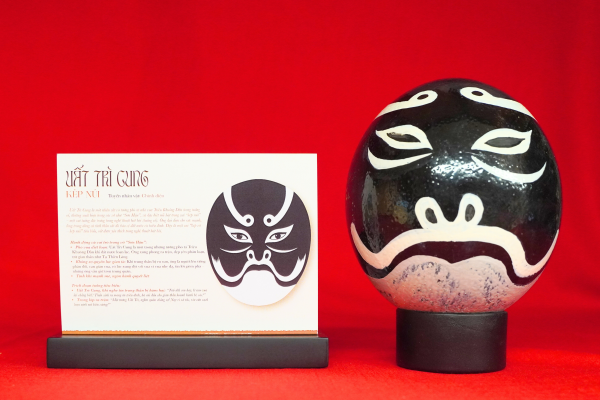
Uất Trì Cung: The Mountain Hero (Kép Núi, chính diện)
Uất Trì Cung is a loyal general under the Qi dynasty, often portrayed in Tuồng as a “kép núi” role type – strong, upright, and full of martial vigor. His character represents both military strength and unwavering loyalty, embodying the readiness to sacrifice for justice. In Sơn Hậu, the presence of Uất Trì Cung not only heightens the heroic spirit of the righteous characters but also adds dramatic intensity, drawing the audience into the epic and solemn atmosphere of battles fought to safeguard the nation’s destiny.
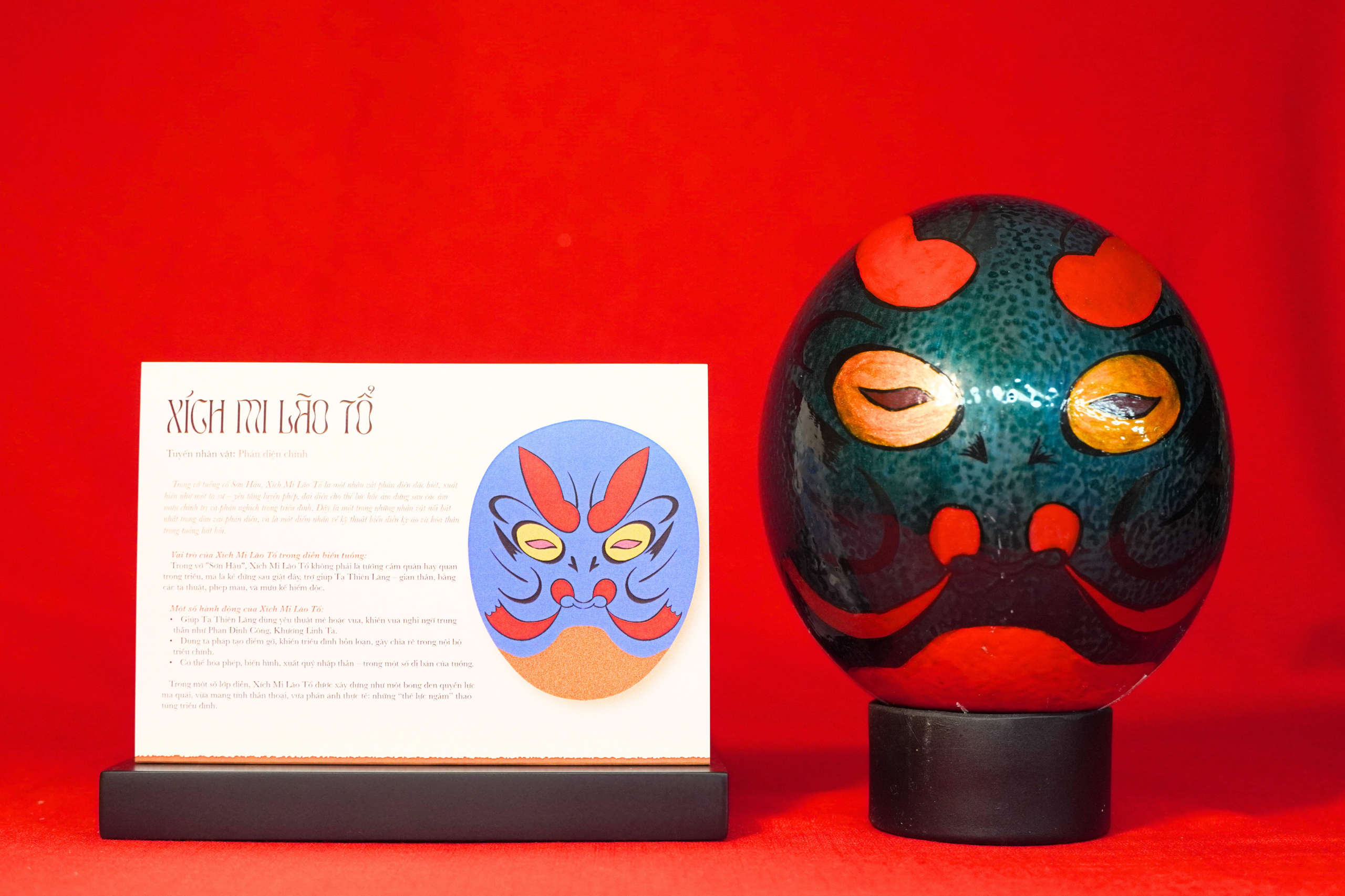
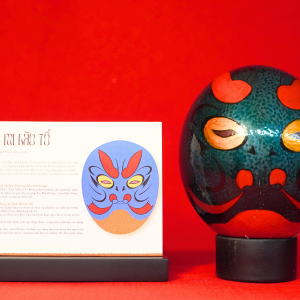
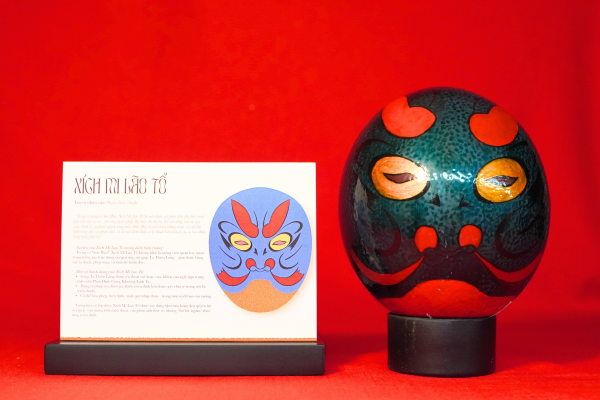
Xích Mi Lão Tổ: The Arch Villain (Phản diện chính)
In Tuồng, “Xích Mi Lão Tổ” is a central antagonist — a leader of uprisings or rebellious factions. This character is powerful, authoritative, and experienced, but also violent, tyrannical, and ambitious.
-
Historical roots: In Chinese history, “Xích Mi” (Red Eyebrows) referred to a rebel group against the Xin dynasty.
-
Role in Tuồng: As the mastermind of the opposing side, Xích Mi Lão Tổ makes crucial decisions, devises schemes, and directs campaigns against the protagonists.
-
Character traits: He embodies the resentment, hatred, and ambition of the antagonist faction, making him a formidable obstacle for the forces of justice.
Be the first to review “Tuồng”
Related products
Vietnamese Imprint
Vietnamese Imprint
Vietnamese Imprint
Vietnamese Imprint
Reviews
There are no reviews yet.