INTRODUCTION
Lacquer Art
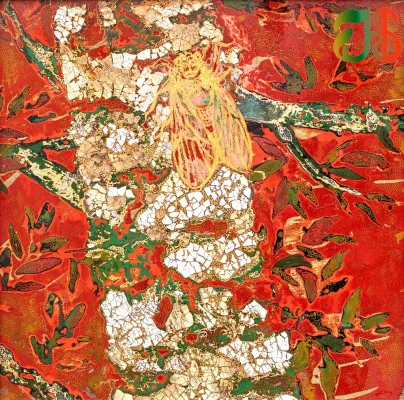
Lacquer is a traditional Vietnamese art form, referring to a decorative technique used to create handicrafts and artworks. Its signature lies in the glossy, polished surface that produces a sense of depth and layers of refined, nuanced colors.
What makes lacquer art stand out is the harmony of masterful craftsmanship and the beauty of motifs and imagery deeply rooted in cultural identity. Vietnamese lacquer has also gained international recognition and is considered a distinctive part of our cultural heritage.
MÙN
The Meaning of the Name
Mùn means “sawdust,” one of the essential materials in lacquer art.
In the practice of lacquer, sawdust is a secondary yet indispensable material, often used to form the base or create textures and shapes on paintings and objects.
-
Sawdust refers to the tiny wood particles—almost like dust—produced during cutting or planing.
-
In traditional lacquer art, sawdust is often mixed with natural resin and earth (or stone powder) to form a malleable mixture, called the undercoat material.
The “MÙN” project was created with the hope of introducing students worldwide to a deeper understanding and appreciation of lacquer art.
Project Vision
In today’s world, where young people are constantly surrounded by technology, traditional art forms face the risk of fading away. Recognizing this, I want MÙN to serve as a bridge—bringing today’s younger generation, especially Gen Z, closer to lacquer art in particular, and to the traditional arts of Vietnam in general.