Our story
Vietnam’s Heritage Villages: Guardians of Lacquer & Folk Painting
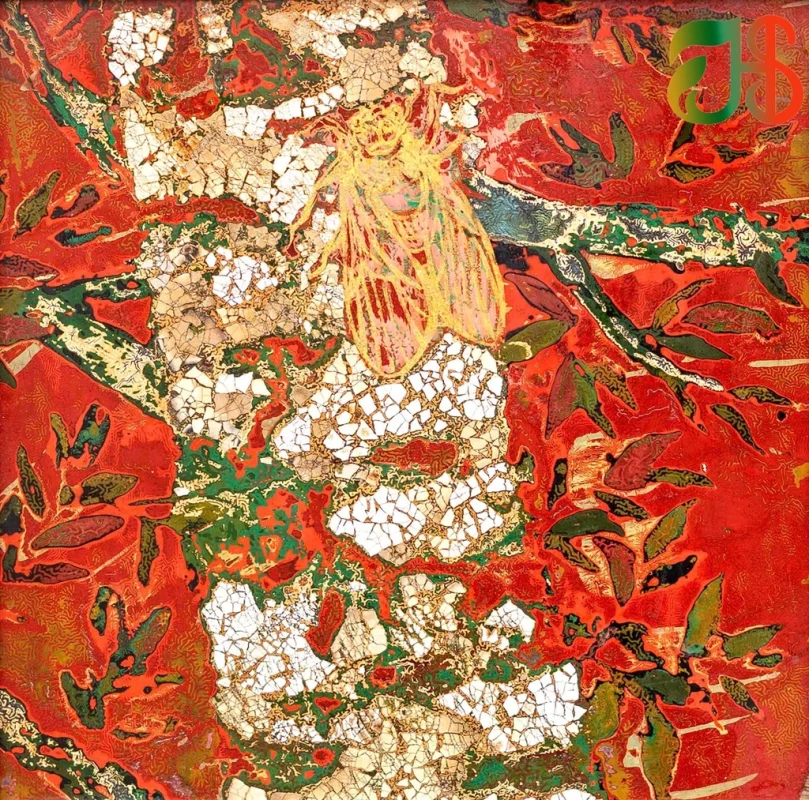
Vietnam is home to several craft villages whose artisans have preserved lacquer art and folk painting for centuries. These villages, each with their own style and history, are living museums of cultural artistry.
Ha Thai Lacquer Village (Hanoi)
Located in Duyen Thai commune, Thuong Tin District, about 20 km from central Hanoi, Ha Thai village has over 200 years of experience in lacquer craft. In earlier times it was called Cu Trang or Dong Thai; during the royal period, its crimson lacquer edged with gold was especially prized, with craftsmen producing pieces for the royal household. The artisans there work with traditional materials such as lacquer resin, mother-of-pearl, gold leaf, and eggshell. Their works, often using black backgrounds, require many layers of painting and polishing to achieve a deep, glossy finish. Today, Ha Thai is also known as a cultural tourism spot where visitors can watch artisans at work and learn about traditional techniques.

Tuong Binh Hiep Lacquer Village (Binh Duong)
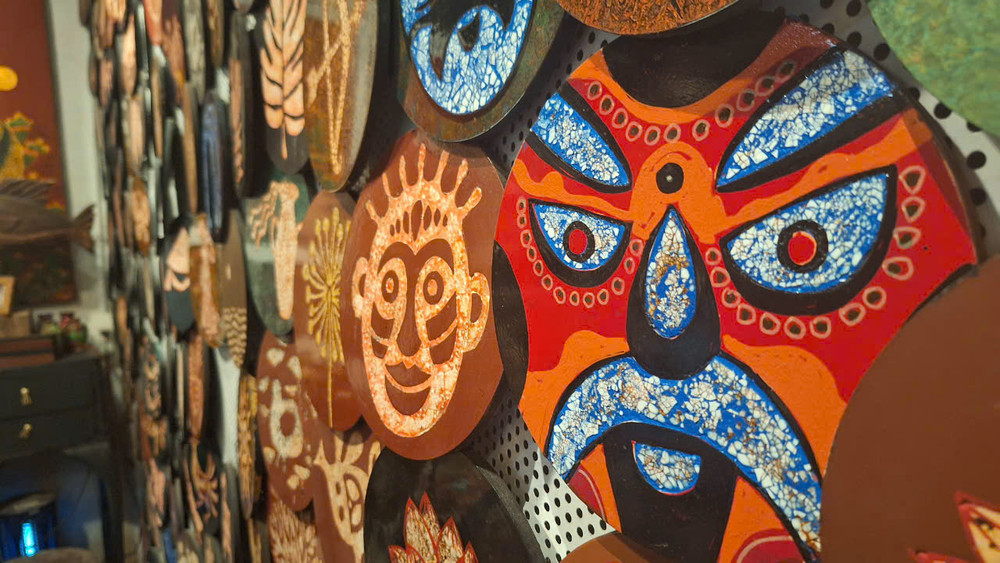
In the south, Tuong Binh Hiep, in Thu Dau Mot City, Binh Duong Province, is one of the most famous lacquer villages in Vietnam. With more than two centuries of history, it has maintained traditional methods while adapting to modern aesthetics. Products range from wooden lacquer panels to bamboo and eggshell inlays, with designs that balance classical motifs and contemporary tastes. In 2016, Tuong Binh Hiep’s lacquer craft was officially recognized as a National Intangible Cultural Heritage.
Cat Dang & Boi Khe Villages
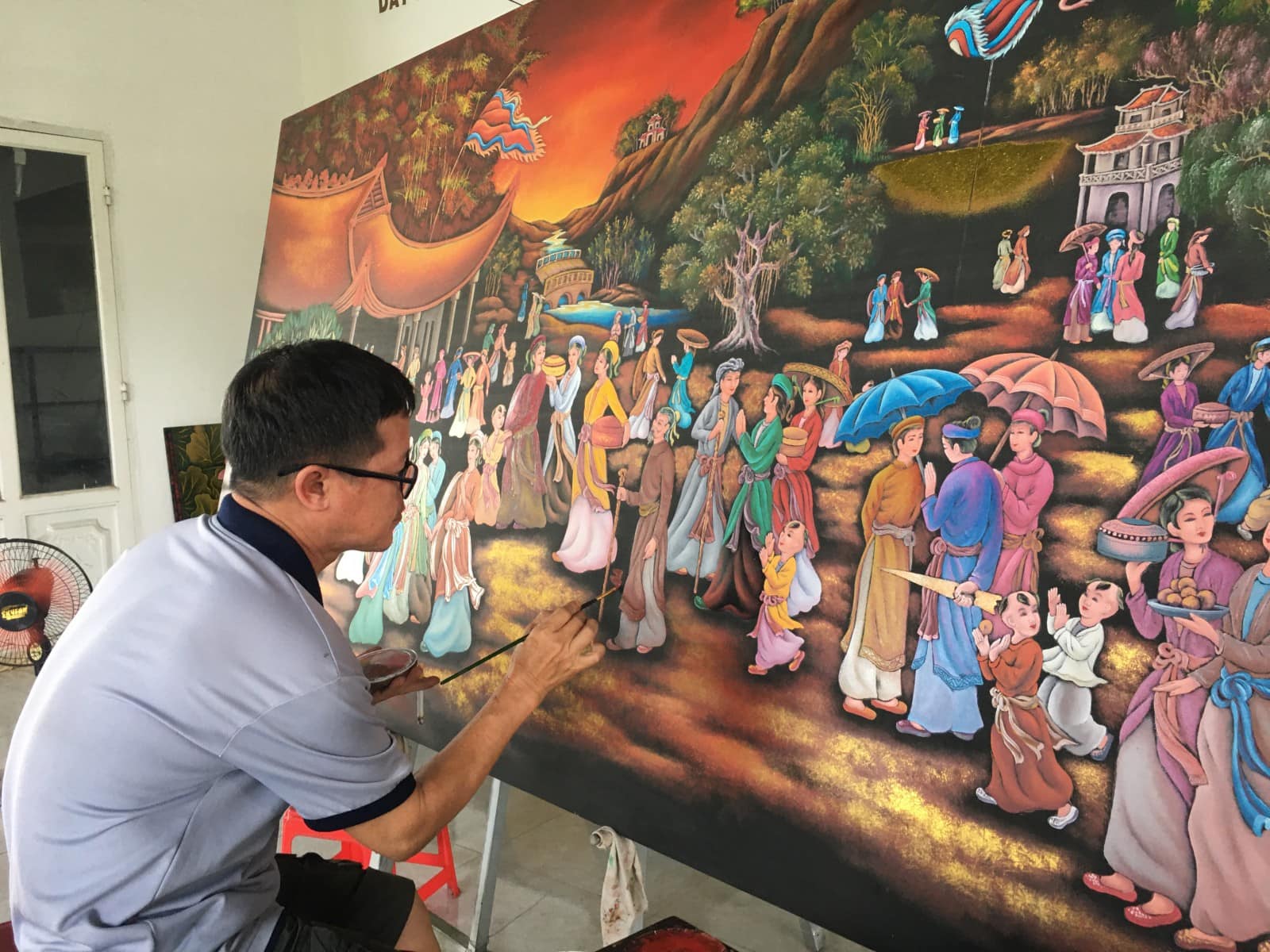
Cat Dang Village in Nam Dinh Province is renowned for its long-standing lacquer tradition, especially in producing religious and ceremonial objects. For centuries, local artisans have created lacquered thrones, statues, altars, and household items that reflect both technical mastery and deep spiritual meaning. The village’s works are characterized by rich colors, gold inlays, and sophisticated motifs, often serving as essential elements in temples and communal houses.

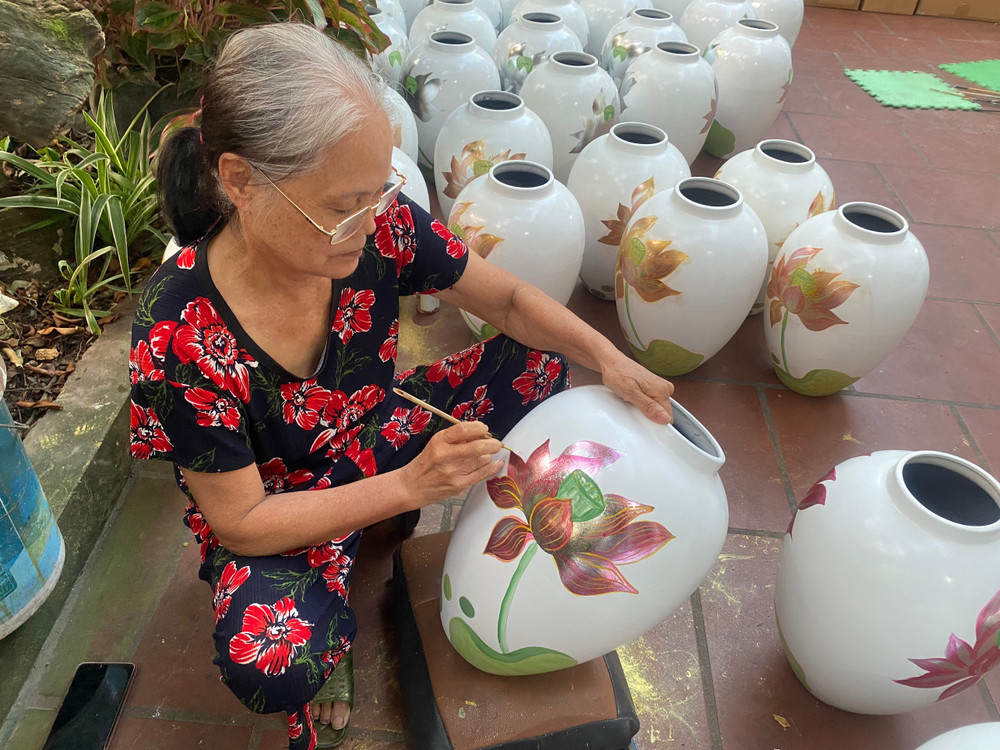
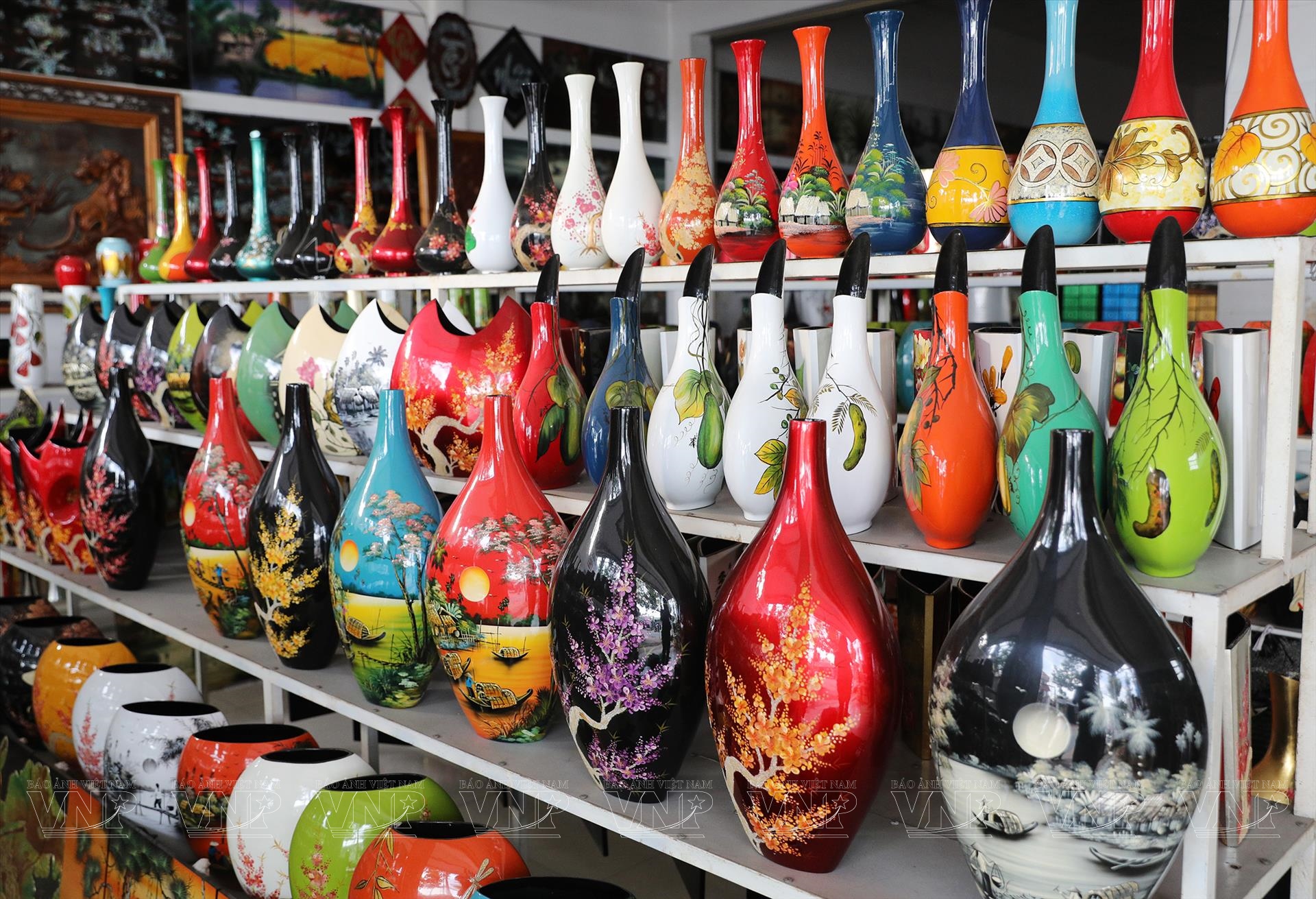
Meanwhile, Boi Khe Village near Hanoi has also nurtured a vibrant lacquer craft. Unlike Cat Dang, which emphasizes sacred and ritual objects, Boi Khe artisans have combined classical techniques with more versatile designs suitable for daily life and modern interiors. Their approach reflects a dynamic adaptation of traditional skills to new cultural needs. Together, Cat Dang and Boi Khe represent the resilience of Vietnamese lacquer art, showing how heritage can endure while evolving to remain relevant across generations.

