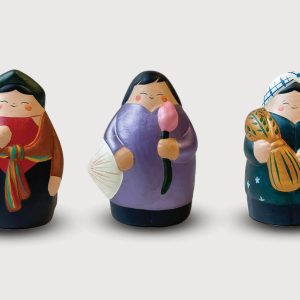



The Ao Dai – Gentle, Elegant, and Pure Women
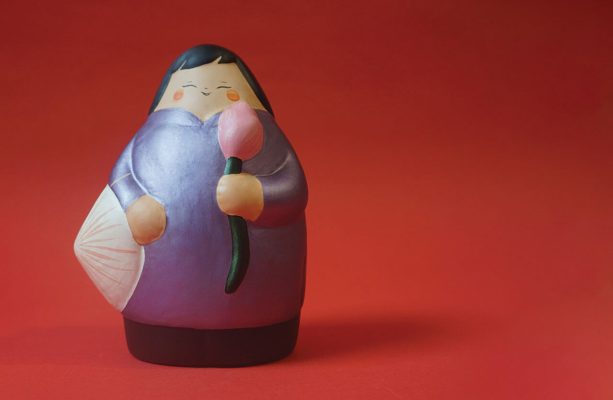
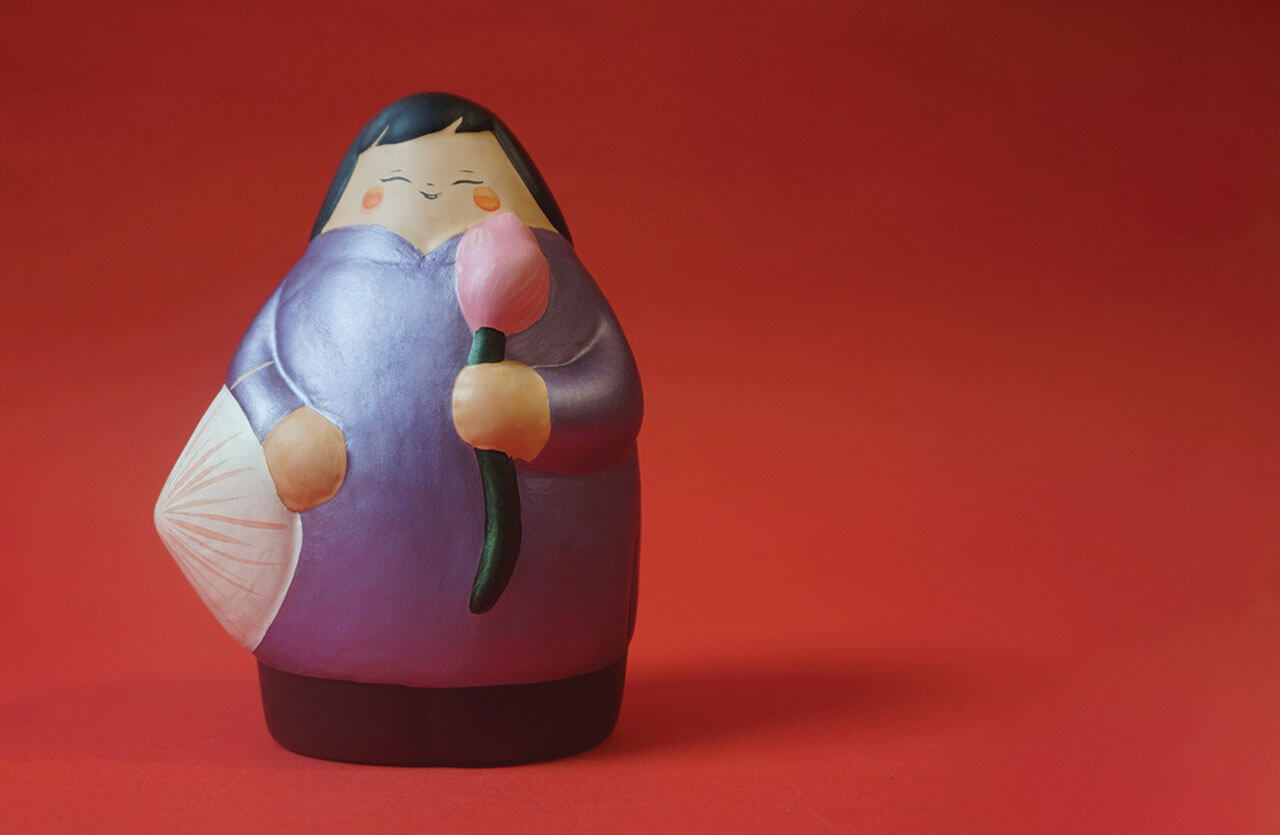
The ao dai is the traditional costume of Vietnam, regarded as a cultural emblem and a symbol of the gentle elegance of Vietnamese women. With a long history of development, it traces its roots back to the 18th-century ao ngu than (five-panel tunic) and has evolved through different eras into the modern form we see today.
The year 2025 is a momentous one, marked by many national celebrations. Across the country, people pour into the streets in fluttering white ao dai, blending with the joyful, festive atmosphere.
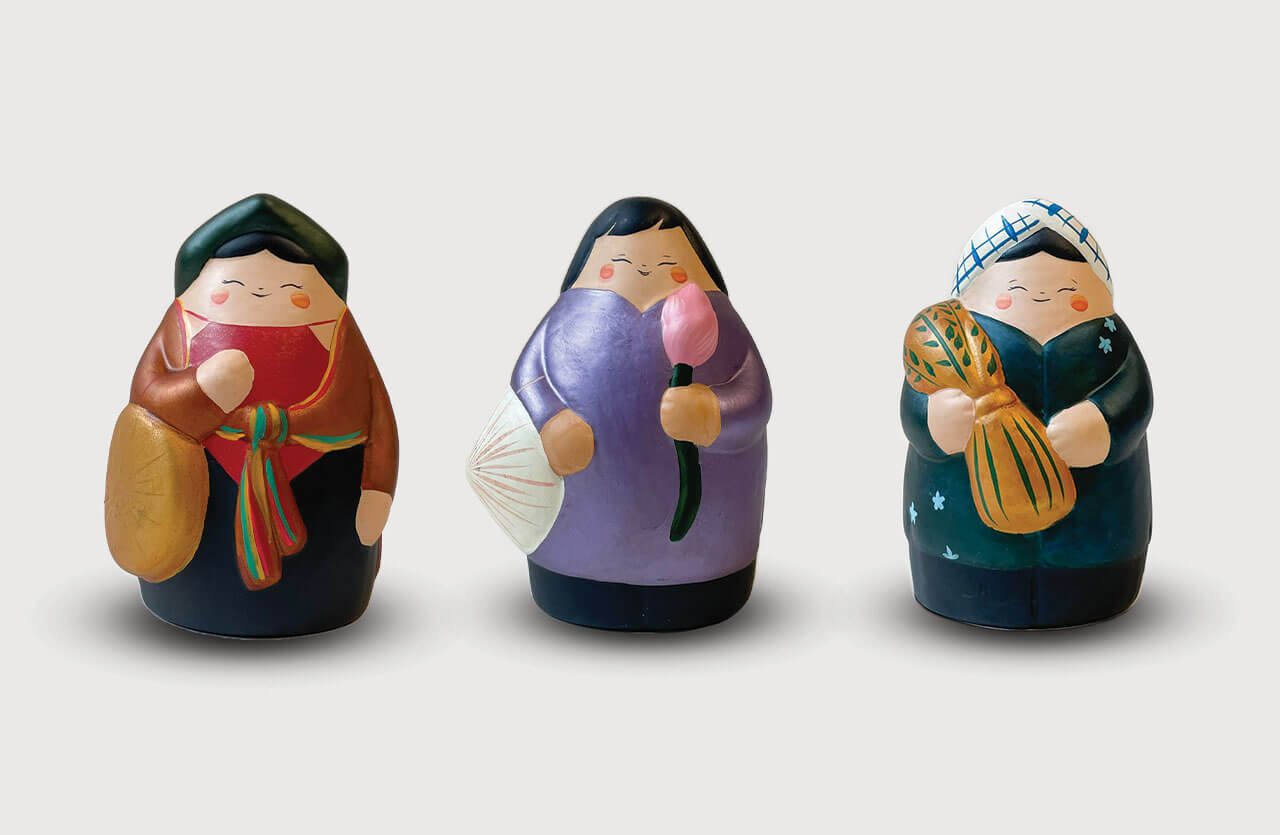
The “Tà Áo Dài” design draws inspiration from these events and incorporates iconic elements such as the conical hat (nón lá) and the lotus flower—symbols deeply significant in Vietnamese culture and daily life.
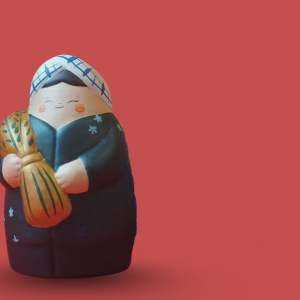
The Ao Ba Ba – Resilient Women
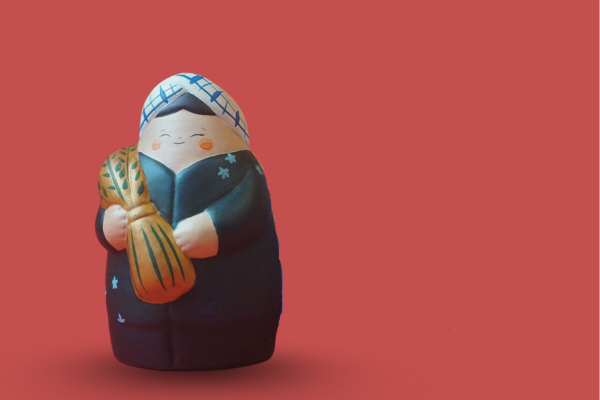
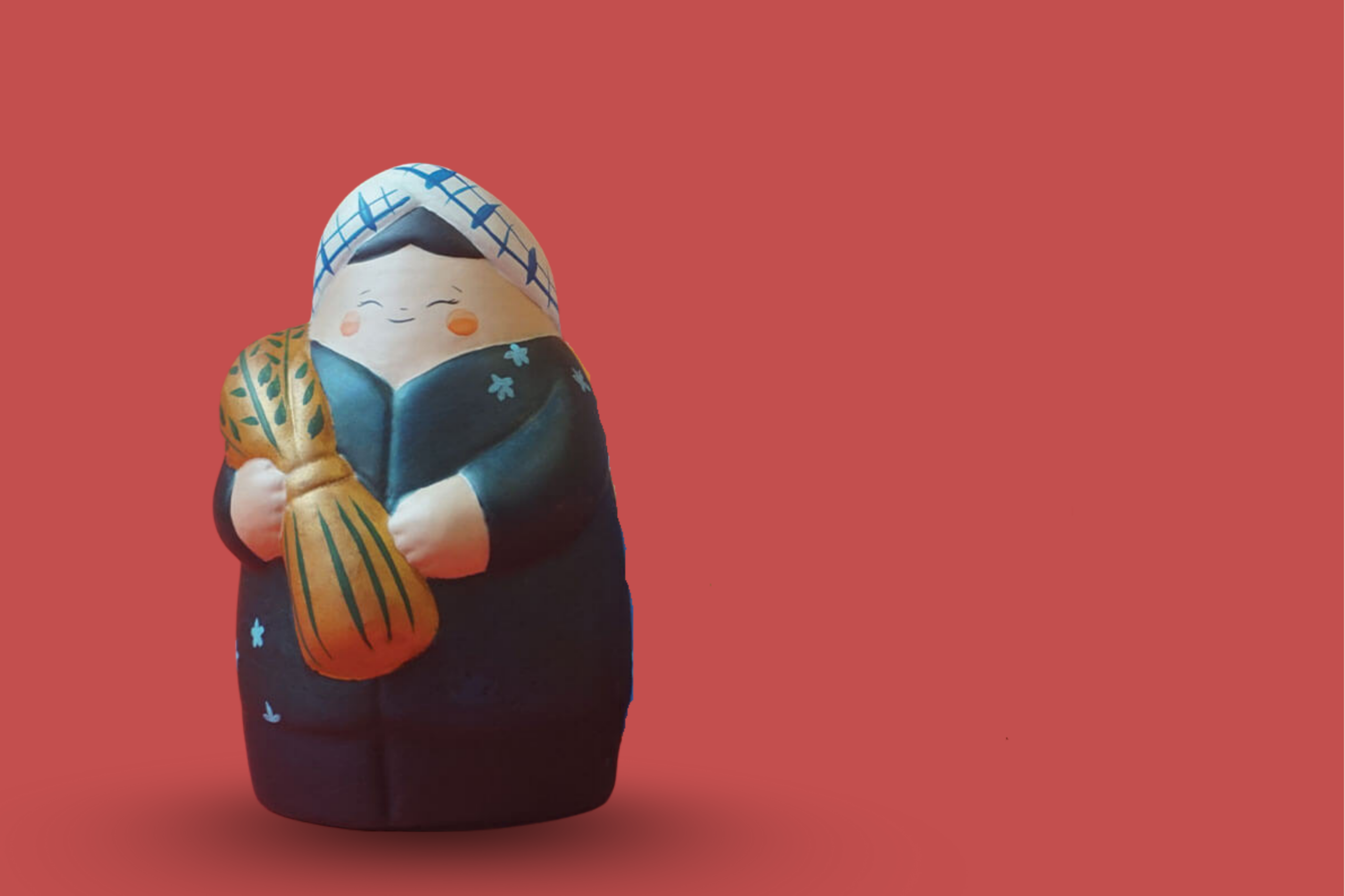
The ao ba ba is a common garment in the rural southern regions of Vietnam. Unlike the ao dai, the ao ba ba is closely associated with hardworking farmers toiling under the sun and soil, hoping for a bountiful harvest.
Because of its rustic nature, many young people today have never seen this outfit in real life, and some may not even know what the ao ba ba is.
The “Áo Bà Ba” design is inspired by these gentle, humble women who endure hardship, and it serves as a way to spark curiosity and appreciation for this traditional rural attire among younger generations.
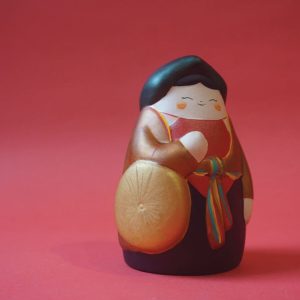
The Ao Tu Than – Talented Women
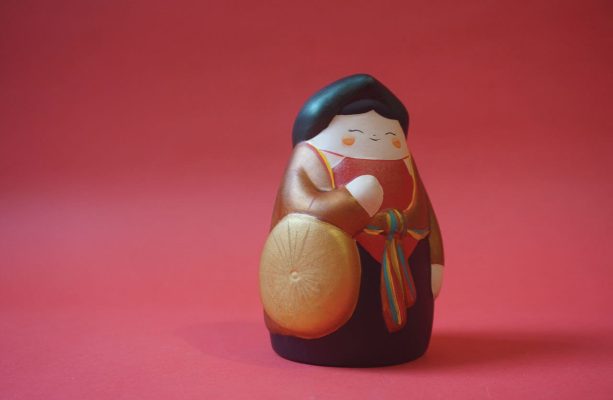
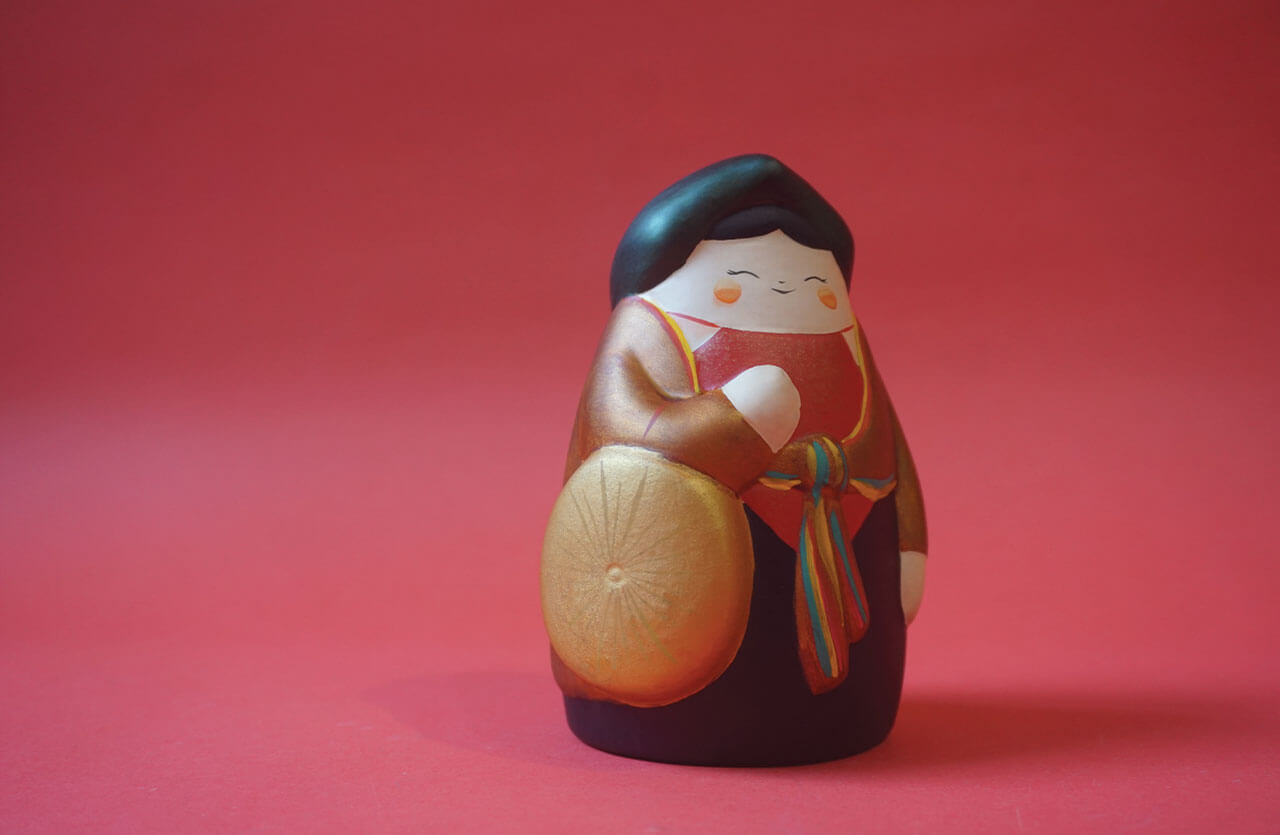
The ao tu than is a traditional garment of northern Vietnamese women, once worn daily until the early 20th century. Today, it is mostly seen during traditional festivals.
Mentioning the ao tu than brings to mind ancient Vietnamese dances, chầu văn folk singing, and vibrant festivals where women, dressed in this folk costume, showcase their talents before an audience.
A Vietnamese saying goes, “Tài sắc vẹn toàn” (“perfect in both talent and beauty”). If the ao dai highlights a woman’s graceful beauty, the ao tu than represents her talent and artistry.
Be the first to review “Áo Việt”
Related products
Vietnamese Imprint
Vietnamese Imprint

Vietnamese Imprint

Vietnamese Imprint
Reviews
There are no reviews yet.